


Heavyweight T-Shirt
How to Choose a Men's Heavyweight T-Shirt for Online Shopping
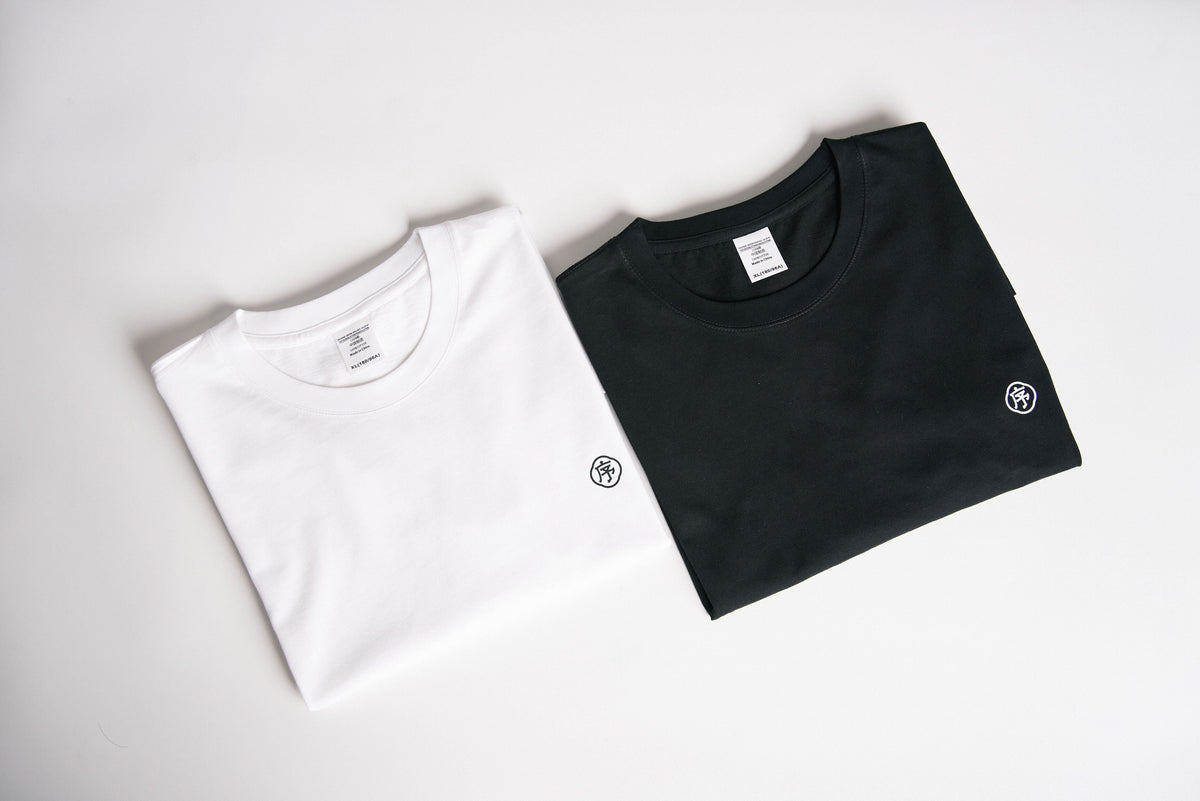
A heavyweight T-shirt can feel more substantial, hold a stronger shape and work well as a stand-alone layer, but buying one online requires more than looking for the highest fabric-weight number. There is no single universal cutoff that every brand uses for the word heavyweight, and fabric weight by itself does not tell you whether a shirt will fit well, feel comfortable or suit the way you plan to wear it.
The better approach is to compare the whole garment: fabric information, measurements, cut, collar, construction details, care instructions, product photography and return terms. This guide gives you a repeatable process for doing that before you add a heavyweight tee to your wardrobe.
Start with the job you want the T-shirt to do
Before comparing specifications, decide how you expect to wear the shirt. A tee used as a stand-alone top has different priorities from one worn under an overshirt or jacket. A substantial fabric can create a clean silhouette on its own, while the same amount of material may feel bulky under a close-fitting outer layer.
Ask yourself three questions: Will this be a stand-alone tee, a base layer or both? Do you normally prefer a straight, relaxed or oversized silhouette? And will you wear it mainly in warm conditions, air-conditioned spaces or cooler seasons? These answers make the product details much easier to interpret.
Understand fabric weight without treating it as a quality score
Some stores publish GSM, ounces per square yard or another fabric-weight measurement. That information is useful because it helps you compare density and substance, especially when two products use similar fibers. It should not be treated as a universal quality grade.
A heavier number does not automatically mean a better T-shirt. Knit structure, fiber composition, finishing, collar construction, stitching, pattern shape and sizing all influence how the finished garment behaves. If a product page promotes weight as its main proof of quality but gives almost no information about fit, construction or care, you still have unanswered questions.
If a store does not publish fabric weight, look for descriptive language such as dense, substantial, structured or lightweight, then verify those descriptions against close-up images and customer measurements where available.
Check composition and knit information
Read the fiber-content section rather than assuming every heavyweight tee is the same kind of cotton shirt. A 100% cotton garment and a blended garment can have different handfeel, stretch, recovery and care requirements. Product descriptions may also identify jersey, interlock or another knit construction. You do not need to become a textile specialist, but you should know what information the seller is actually providing.
When composition details are missing, do not fill the gap with assumptions. If material matters to you, that is a reason to ask the retailer before buying.
For a broader online-fabric checklist, see how to evaluate cotton T-shirt fabric when shopping online.
Use measurements, not just the size letter
A heavyweight fabric often looks best when the pattern gives it enough room to fall cleanly, but “relaxed,” “boxy” and “oversized” can mean different things from one label to another. The safest comparison is the actual garment measurement.
Look for chest width, body length, shoulder width and sleeve length. Compare those numbers with a T-shirt you already own and like. If only body measurements are supplied, follow the brand’s sizing instructions and note whether the listed dimensions refer to the person or the finished garment.
Our men’s T-shirt measurement guide explains a simple way to take your own measurements, while the regular, relaxed and oversized fit guide helps you compare silhouette choices.
Pay attention to shoulder, sleeve and hem proportions
Heavy fabric has more visual presence, so small pattern differences can be noticeable. A dropped shoulder can create a broader, more casual shape. A longer sleeve can make the tee feel more streetwear-oriented. A shorter, squarer body can emphasize width, while a long body may create more fabric around the hips.
None of these choices is automatically right or wrong. The important question is whether the shape supports your intended outfit. If you plan to wear wide trousers or relaxed jeans, think about how much volume you want in both halves of the look. If the tee will sit beneath a jacket, check that its sleeves and body will not create unnecessary bunching.
Inspect the collar and visible construction
Product photography can reveal details that a short description misses. Zoom in on the neckline. Look at the width of the rib, how flat it sits and whether the seam finishing appears even. Then inspect sleeve and bottom hems, shoulder seams and any visible topstitching.
Construction details are useful evidence, but avoid trying to predict years of durability from a photograph. The goal is to verify that the product page gives you enough information to make a reasonable purchase decision.
Read the care instructions before buying
Care requirements are part of the cost of ownership. If the shirt requires a washing or drying routine that does not fit your habits, even an otherwise attractive tee may not be a good everyday choice.
Always treat the garment’s own care label as the primary instruction. If the product page explains possible shrinkage, wash temperature or drying guidance, factor that into your size decision. For printed garments, our graphic T-shirt care guide covers additional considerations.
Use product photos to judge drape and structure
Look for front, side and back views rather than relying on a single styled image. A side view can show how far the fabric stands away from the body. A seated or movement shot may show whether the material collapses softly or keeps a firmer shape. Flat-lay and close-up images can help you evaluate texture, collar construction and opacity.
Model information is valuable when available. Height alone is not enough; the size worn and at least one body or garment measurement make the visual comparison much more useful.
Think about layering before choosing the heaviest option
If the tee will usually be worn alone, a dense, structured fabric may be exactly what you want. If you plan to use it frequently under a fitted denim jacket, bomber or blazer, a very substantial tee may add more volume than expected at the armholes, chest and waist.
Do a mental layering test: compare the tee’s chest and shoulder measurements with the inside room of the outerwear you already own. Buying the heaviest available shirt simply because it sounds premium can work against the outfit you actually want to build.
Compare value with information, not marketing language
A useful online buying comparison includes price, construction details, measurements, care requirements, return terms and how often you expect to wear the shirt. Fabric weight can be one part of that comparison, but it should not dominate it.
For example, a tee that fits your wardrobe, works across several outfits and is easy for you to care for may deliver more practical value than a heavier shirt that spends most of its time unworn. If you are building a broader buying checklist, start with our everyday men’s T-shirt buying guide.
Online heavyweight T-shirt checklist
- Define whether you need a stand-alone tee, layering tee or both.
- Check fiber composition and any published fabric-weight information.
- Compare garment measurements with a shirt you already own.
- Review shoulder, sleeve, body length and overall silhouette.
- Zoom in on the collar, hems and visible stitching.
- Read wash, drying and shrinkage guidance before choosing size.
- Look for multiple product angles and model sizing information.
- Check the return or exchange policy before ordering an unfamiliar fit.
- Do not use GSM or the word “heavyweight” as your only quality signal.
Common mistakes to avoid
Buying by GSM alone: weight describes one property of fabric, not the complete garment.
Ignoring measurements: size letters are not standardized enough to replace the brand’s chart.
Assuming heavier means warmer in every situation: comfort also depends on fiber, knit, fit, airflow and how you layer the shirt.
Sizing down only to make thick fabric look cleaner: this can create pulling through the chest, shoulder or sleeve. Use actual measurements instead.
Skipping the care section: your wash routine can affect whether the purchase remains practical for you.
Frequently asked questions
Is a higher GSM always a better T-shirt?
No. A higher fabric weight generally tells you the material is more substantial, but it does not by itself prove better fit, construction, comfort or overall quality. Use it together with the rest of the product information.
Should a heavyweight T-shirt fit oversized?
Not necessarily. Heavyweight fabric can be cut regular, relaxed, boxy or oversized. Choose the silhouette based on measurements and the outfits you plan to wear rather than fabric weight alone.
Can I wear a heavyweight tee under a jacket?
Yes, provided the jacket has enough room through the shoulders, chest and armholes. A substantial tee under a slim jacket may create bunching, so compare dimensions when possible.
What should I check first when buying online?
Start with your intended use, then check composition, measurements, fit description, construction details, care instructions and the return policy. Those factors give you a more complete picture than any single marketing term.
Explore men’s T-shirts
Once you know the weight, fit and construction you want, you can compare those criteria against the current THEMENCO men’s T-shirt collection. The aim is not to choose the heaviest shirt—it is to choose the shirt that makes sense for your wardrobe and how you actually dress.
